
Plan your North Atlanta patio around the property’s elevations and the intended route for rainfall before settling on the finished stone or brick. Georgia’s waterbody assessment records provide background about surface waters, but they don’t tell you how to grade a patio or solve a wet spot beside your home. Those decisions need a review of your property and proposed construction.
At Arnold Masonry and Landscape, we design outdoor living spaces around the home and how you want to use the yard. For a custom patio or masonry deck, that means discussing the layout and construction details together. A beautiful stone pattern deserves a plan that also addresses where rainwater will go.
What should you discuss before choosing patio materials?
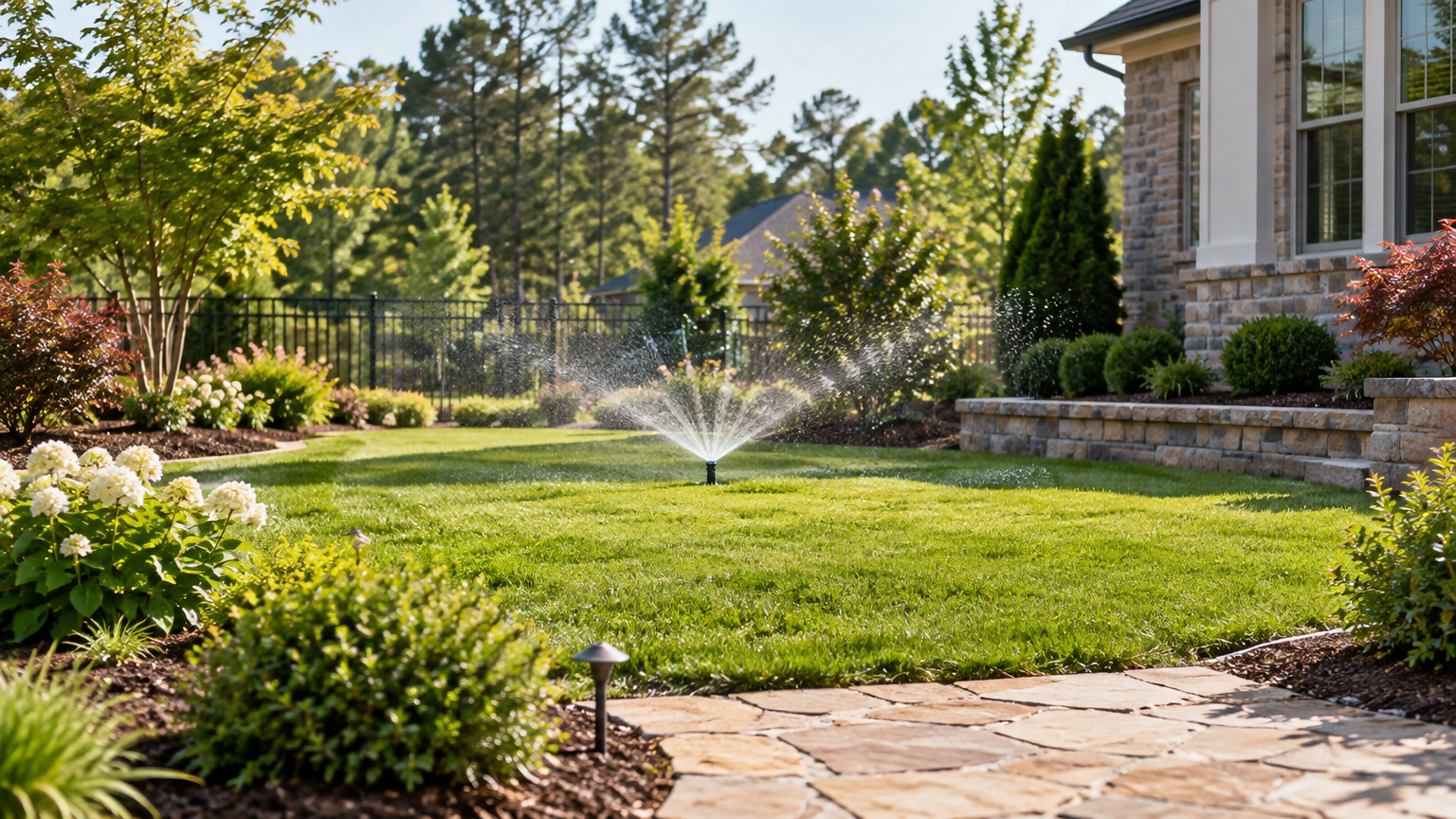
Start with the site. If you’ve noticed standing water near a back door or soil washing onto an existing walkway, bring that information to the design conversation. Photographs taken after rainfall are useful for showing conditions that might not be visible during a dry-weather visit.
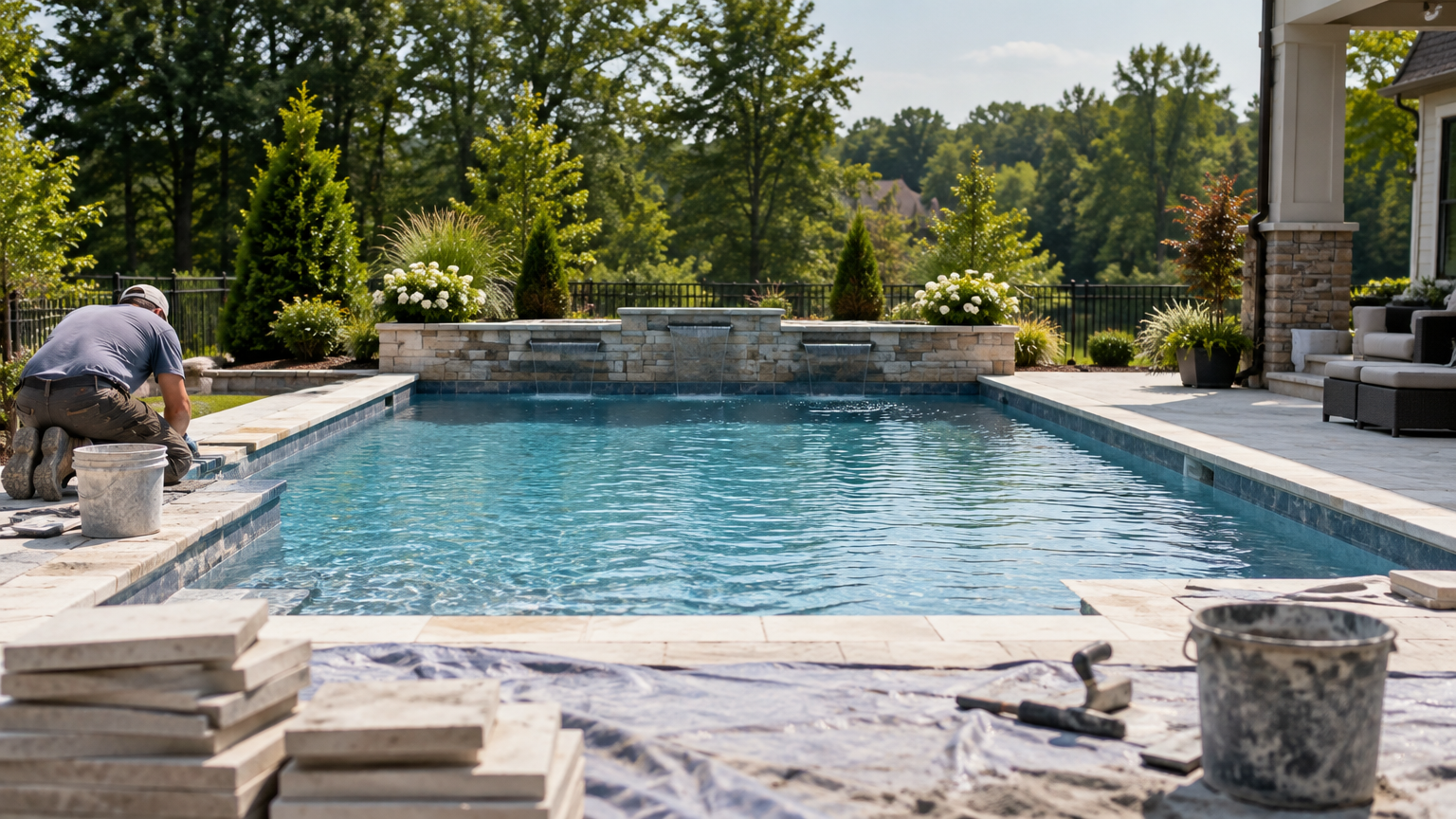
Our patio construction guide describes setting elevations and providing a deliberate grade, or “fall,” to direct rainfall along a specific route. This is part of planning the patio itself, before the finished masonry goes down.
Ask your project team to address these points:
- Where does water currently collect near the proposed patio?
- What route is intended for rainfall leaving the finished surface?
- How will the patio meet existing doors and steps?
- Will a future outdoor kitchen or fireplace change the planned layout?
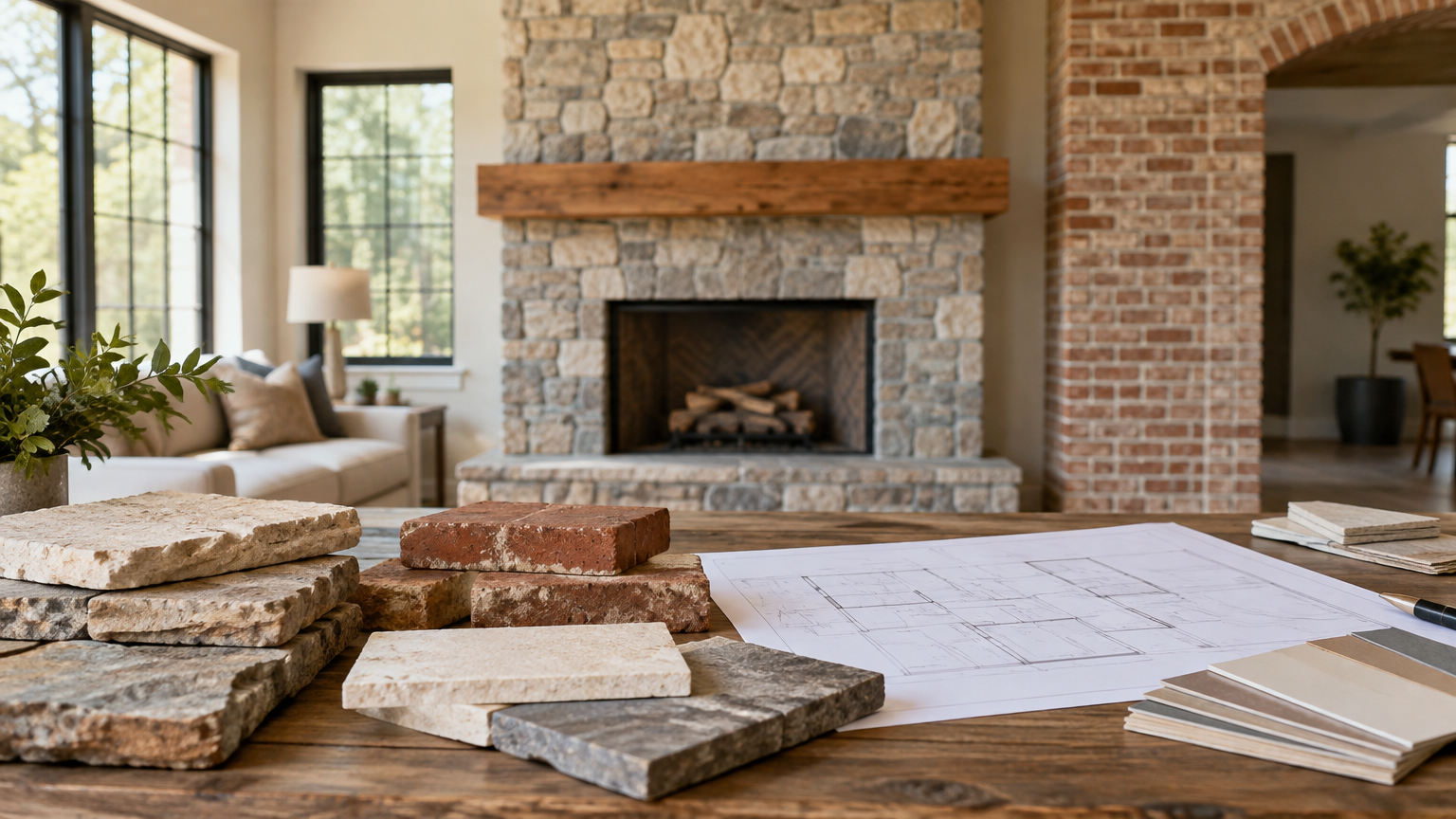
Don’t let material selection crowd out those questions. Stone color is easier to picture than finished elevations, but both belong in the design discussion.
What do Georgia’s waterbody records actually tell you?
The Georgia Environmental Protection Division describes its statewide 305(b)/303(d) inventory on its Water Quality in Georgia page (publication date not stated).
EPD organizes the list by waterbody type, such as rivers and streams or lakes and reservoirs. Records include the waterbody’s name and location, along with an assessment category. Where a designated use is not supported, the list includes causes of impairment and potential pollutant sources.
For your backyard project, this is environmental background. You can use the names and locations to research waters in your area and bring a relevant record to your project team. Read the location carefully rather than assuming that a familiar waterbody name describes the water nearest your property.
A potential pollutant source is not a finding that your yard caused a problem. And the inventory’s general description does not establish that any particular Marietta or North Atlanta waterbody is impaired.
Can an assessment record decide your patio design?
No. A surface-water assessment is not a property drainage evaluation. It does not establish your yard’s elevations, explain an existing puddle, or prescribe a drainage design for a new masonry surface.
It is also separate from a tap-water report. A stream or lake assessment should not be read as a report on the water coming through your kitchen faucet.
Keep permit questions separate, too. An assessment category alone does not establish what approvals your proposed patio requires. Confirm project-specific requirements with the relevant local authority rather than treating an inventory entry as permission to build or a reason construction cannot proceed.
That distinction matters in practical terms: research about a nearby stream cannot replace the site review needed to plan your patio.
How should you read draft assessment materials?
EPD’s materials include draft 2026 assessments. Treat a document labeled “draft” as a draft, rather than assuming it is the final assessment. The associated past comment period is closed.
The year in an assessment’s title is not automatically its publication date or an effective date for a construction requirement. The EPD page does not state a publication date, and this inventory description establishes no new effective date for homeowner projects.
If you save a record for your project discussion, keep its assessment year and draft or final label with it. That avoids comparing documents as though they have the same status.
How do you turn this research into a better project discussion?
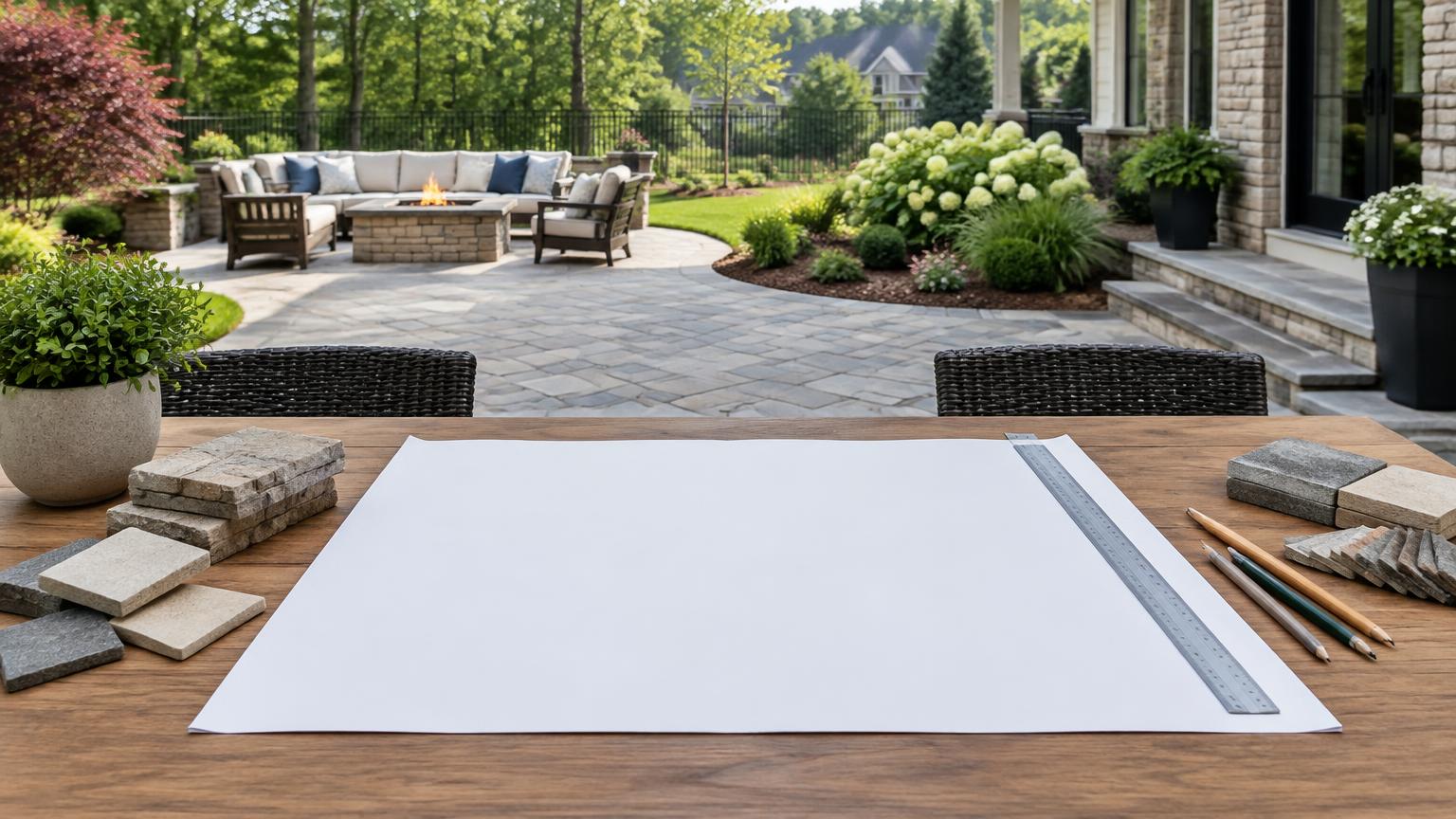
Bring your outdoor living priorities alongside your observations about the yard. If your goal is a patio with an outdoor kitchen, identify where you want to cook and where you want guests to sit. Then discuss how that arrangement fits the site before committing to its footprint.
Our custom masonry landscape and hardscape service brings those connected elements into one plan. You don’t need to choose every finish before that conversation. A few reference photos, a clear description of the space you want, and notes about existing wet areas give the discussion a concrete starting point.
Request a consultation with Arnold Masonry and Landscape to discuss your North Atlanta patio or custom hardscape project.